What Happens If You Don’t Update Your Website

Many businesses launch a website and assume the job is done. In reality, a website requires continuous updates to remain secure, fast, and visible in search engines. Ignoring updates may seem harmless at first, but over time it can lead to serious problems that affect both your visitors and your business performance.
A website that isn’t updated regularly can become vulnerable to security threats, experience performance issues, and gradually lose its ranking in search results. Understanding these risks can help you see why consistent website maintenance is essential for long-term success.
Security Vulnerabilities Increase
One of the biggest risks of an outdated website is security. Websites rely on software components such as CMS platforms, plugins, themes, and server configurations. When these components are not updated, they often contain vulnerabilities that hackers can exploit.
Cyber attackers actively search for outdated software versions because they already know the weaknesses in them. If your website runs on outdated systems, it becomes an easy target for malware infections, data breaches, and website defacement.
Regular updates patch these vulnerabilities, while SSL certificates and HTTPS security protect data in transit such as customer information, login credentials, and payment details.
Website Performance Starts Declining
Over time, web technologies evolve to deliver faster and more efficient experiences. An outdated website may struggle to keep up with modern performance standards.
Common performance problems caused by outdated websites include:
Slow page loading speeds
Poor mobile performance
Broken features or outdated scripts
Inefficient database queries
These issues not only frustrate visitors but also increase bounce rates. When users leave your website quickly because it loads slowly, search engines interpret that as a poor user experience.
Your Search Rankings Can Drop
Search engines constantly update their algorithms to reward websites that provide fresh, high-quality content and a good user experience.
If your website remains unchanged for long periods, search engines may interpret it as inactive or outdated. As a result, your competitors who regularly update their content and improve their sites may start ranking higher.
Some factors that affect rankings when websites are not updated include:
Outdated content
Slow page speeds
Broken links
Poor mobile optimization
Technical SEO issues
Consistent updates help maintain relevance and improve visibility in search results.
Compatibility Problems With Modern Browsers
Web browsers evolve quickly, and older websites sometimes rely on outdated technologies that modern browsers no longer support.
When this happens, visitors may experience problems such as:
Layout issues on different devices
Non-functional buttons or forms
JavaScript errors
Poor responsiveness on mobile devices
Keeping your website updated ensures compatibility with current browsers and devices, providing a consistent experience for all visitors.
Poor User Experience
User expectations continue to evolve. Visitors expect websites to be fast, visually appealing, and easy to navigate. If your website looks outdated or functions poorly, it may damage your credibility.
Some common signs of outdated websites include:
Old design styles
Non-responsive layouts
Broken navigation
Slow loading pages
Inconsistent branding
Modernizing your website design and functionality helps maintain trust with your audience and encourages visitors to engage with your content or services.
Increased Maintenance Costs Later
Delaying updates may save time temporarily, but it often leads to larger problems later. When a website remains outdated for too long, fixing all issues at once can become complex and expensive.
Instead of minor updates and optimizations, businesses may end up needing:
A full website redesign
Major security recovery after an attack
Server migrations
Large-scale technical fixes
Regular maintenance prevents these costly situations and keeps your website stable. A managed hosting provider can also handle server updates, monitoring, and routine maintenance for you.
Loss of Competitive Advantage
Your competitors are likely improving their websites regularly. They may be publishing new content, optimizing performance, and improving their digital marketing strategies.
If your website remains static, you risk falling behind in:
Search visibility
user engagement
brand credibility
Keeping your website updated ensures you remain competitive in your industry.
How Often Should You Update Your Website?
A good website maintenance routine includes several types of updates:
Content updates should occur regularly to keep information fresh and relevant. Technical updates such as CMS updates, plugin updates, and security patches should be performed as soon as they become available. Performance optimizations and design improvements should be reviewed periodically to ensure the website meets modern standards.
Even small updates can make a significant difference in maintaining a healthy website.
Conclusion
A website is not a one-time project but an ongoing digital asset. Neglecting updates can expose your site to security threats, performance issues, and declining search visibility.
Regular updates help maintain security, improve user experience, and keep your website aligned with modern web standards. By investing in consistent maintenance and optimization, businesses can ensure their website continues to support growth and online success.
Frequently Asked Questions (FAQs)
Why is it important to update a website regularly?
Regular updates protect your website from security vulnerabilities, improve performance, and ensure compatibility with modern browsers and devices.
How often should a website be updated?
Technical updates should be applied whenever new versions are released, while content updates should be done regularly to keep information fresh and relevant.
Can an outdated website affect SEO?
Yes. Search engines prefer websites that provide updated content, fast loading speeds, and a good user experience. Outdated websites may lose rankings over time.
What are the signs that a website needs updating?
Common signs include slow loading speeds, outdated design, broken links, poor mobile responsiveness, and declining search rankings.
Can regular updates improve website performance?
Yes. Updates often include performance improvements, optimized code, and better compatibility with modern technologies.
Tagged in

Written by
Madhavendra DuttI build modern, high-performance websites and provide secure hosting and strategic digital marketing solutions that help businesses grow online. My focus is on clean development, speed, reliability, and measurable results.
View all posts →Related Posts
Continue exploring similar topics
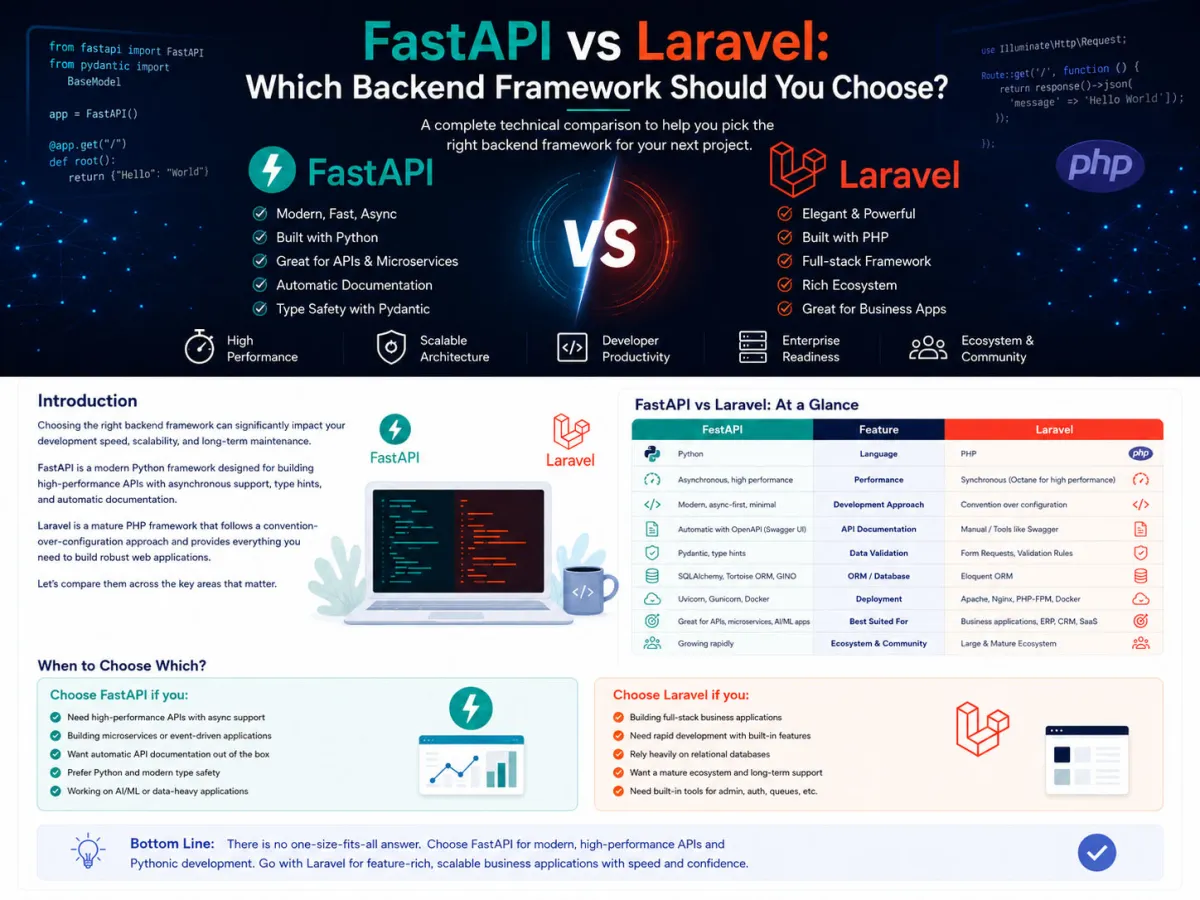
Compare FastAPI and Laravel across performance, async APIs, scalability, AI integration, d...

Node.js or Laravel for backend APIs? Compare performance, concurrency, scalability, develo...
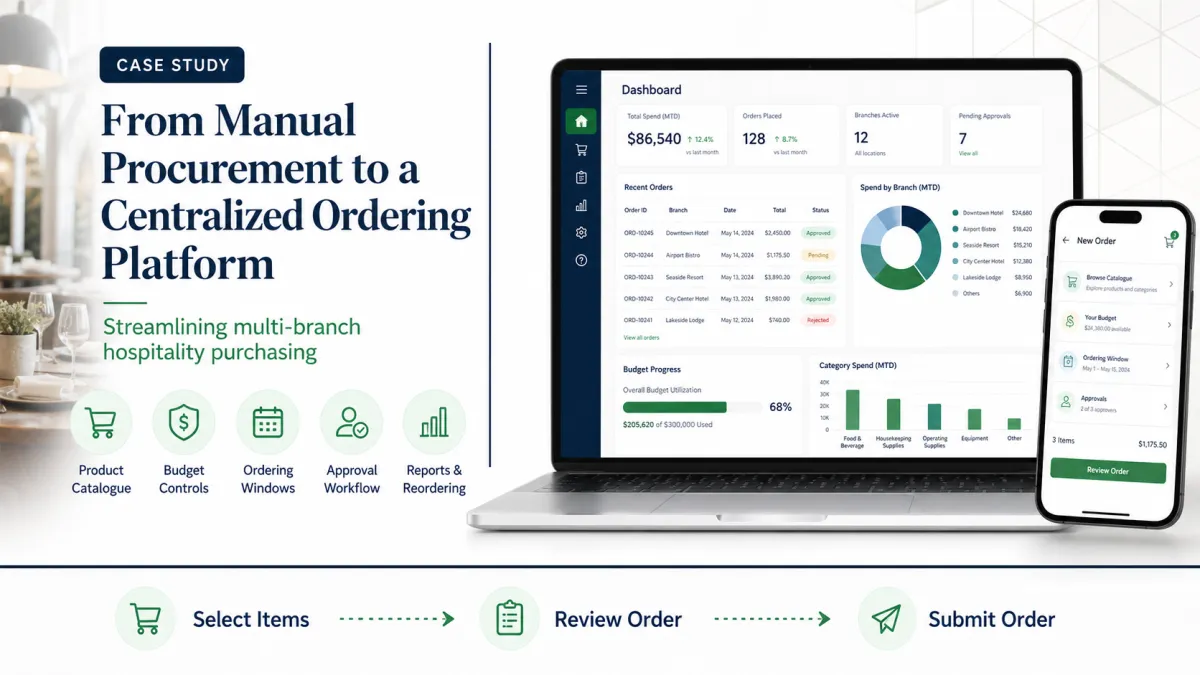
See how we replaced spreadsheets, messages, and manual approvals with a centralized orderi...