Managed Hosting vs Unmanaged Hosting: Which One Should You Choose?
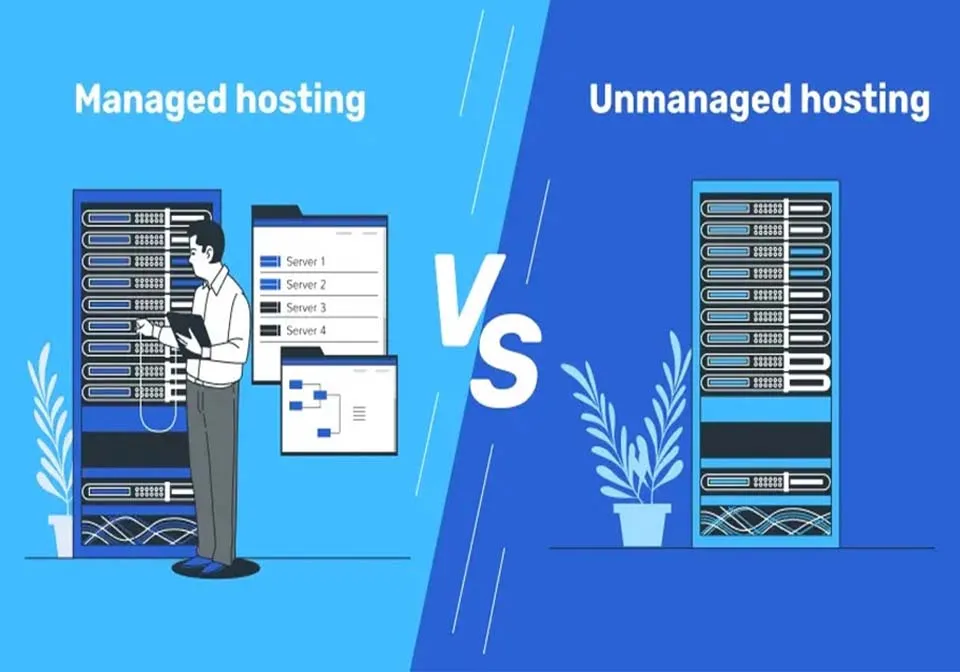
Choosing between managed hosting and unmanaged hosting can significantly impact your website’s performance, security, and long-term scalability.
Whether you're running a business website, an e-commerce store, or a high-traffic application, understanding the difference is critical.
Let’s break it down clearly.
What is Managed Hosting?
Managed hosting means the hosting provider handles:
Server setup
Security patches
Monitoring
Backups
Technical support
You focus on growing your business - they handle the infrastructure.
✅ Best For:
Business owners
eCommerce stores
Agencies
Non-technical users
High-traffic websites
What is Unmanaged Hosting?
Unmanaged hosting gives you full control of the server. This often includes maintaining Linux servers yourself.
You are responsible for:
Installing software
Security configuration
Updates & patches
Server optimization
Troubleshooting
It’s powerful - but requires technical expertise.
✅ Best For:
Developers
System administrators
Tech startups
Custom server environments
Key Differences Between Managed and Unmanaged Hosting
Feature | Managed Hosting | Unmanaged Hosting |
|---|---|---|
Server Setup | Done for you | You configure |
Security | Provider-managed | Your responsibility |
Updates | Automatic | Manual |
Support | Full support | Limited support |
Cost | Higher | Lower |
Technical Skill Required | Low | High |
Cost Comparison
Managed Hosting: Higher monthly cost, but includes maintenance, monitoring, and support.
Unmanaged Hosting: Cheaper upfront, but requires technical resources (time or staff).
If you factor in time and technical labor, unmanaged hosting isn’t always cheaper.
Performance Comparison
Managed hosting providers usually include:
Fast SSD or NVMe storage
Server-level cachingCDN integration
Automatic scaling
Performance monitoring
Unmanaged hosting performance depends entirely on how well you configure it.
Security Comparison
Managed hosting typically includes:
A valid SSL certificate
Firewall setupMalware scanning
DDoS protection
Automatic updates
Regular backups
With unmanaged hosting, security mistakes can expose your website to risks.
When Should You Choose Managed Hosting?
Choose managed hosting if:
You don’t have a dedicated server admin
Your website generates revenue
Uptime is critical
You want peace of mind
Security is a priority
When Should You Choose Unmanaged Hosting?
Choose unmanaged hosting if:
You’re technically experienced
You need custom server configurations
You want maximum control
You’re running development environments
Managed Hosting vs Unmanaged Hosting: Final Verdict
There’s no universal “better” option.
If you value convenience, security, and reliability → Managed Hosting
If you value control and lower upfront costs → Unmanaged Hosting
For most businesses in 2026, managed hosting is the smarter long-term investment.
FAQs
1. Is managed hosting worth the extra cost?
Yes, especially for businesses. The cost includes security, monitoring, updates, and expert support — which prevents downtime and security issues.
2. Can I switch from unmanaged to managed hosting later?
Yes. Many providers allow upgrades, but migration may require technical assistance.
3. Is unmanaged hosting secure?
It can be — but only if properly configured. Without experience, it can expose your server to vulnerabilities.
4. Which hosting is better for WordPress?
Managed WordPress hosting is generally better for non-technical users. Developers may prefer unmanaged VPS hosting.
5. Does managed hosting improve SEO?
Indirectly, yes. Better uptime, faster performance, and security improvements positively impact search rankings.
Tagged in

Written by
Madhavendra DuttI build modern, high-performance websites and provide secure hosting and strategic digital marketing solutions that help businesses grow online. My focus is on clean development, speed, reliability, and measurable results.
View all posts →Related Posts
Continue exploring similar topics
Compare Headless CMS vs Traditional CMS with pros, cons, and use cases. Learn which CMS su...

Cheap hosting may seem like a smart way to save money, but it can cost you more in the lon...

Website speed and scalability directly impact user experience, SEO rankings, and conversio...