The Real Cost of Cheap Hosting (What Most Website Owners Learn Too Late)

Many website owners, especially startups and small businesses, choose cheap hosting because it seems like the smartest way to save money. At first glance, paying just a few rupees per month feels like a win. But what most people don’t realize is that cheap hosting often becomes the most expensive choice in the long run.
In this article, we'll break down the hidden costs of low-priced hosting and explain why investing in reliable hosting or choosing managed hosting can actually save you money, improve SEO rankings, and protect your business.
Why Cheap Hosting Looks Attractive
Cheap hosting plans are designed to attract beginners. They promise unlimited bandwidth, free domains, and extremely low monthly prices. For someone launching a new website, it feels like there’s nothing to lose.
However, these offers usually come with limitations that are not obvious at the beginning. Once your website starts growing, the real problems begin to show.
Some of the most common reasons people choose cheap hosting include:
Low upfront cost
Free domain or email included
Easy one-click WordPress installation
"Unlimited" storage and bandwidth claims
Attractive discounts for the first year
While these benefits look appealing, the long-term impact can hurt your website performance and your business credibility.
The Hidden Costs of Cheap Hosting
Cheap hosting rarely fails on day one. The real cost becomes visible after your website starts getting traffic or when your business depends on it.
1. Slow Website Speed
Website speed is one of the biggest issues with low-cost hosting. Cheap hosting providers usually place hundreds of websites on the same server. This means your website shares resources like CPU, RAM, and bandwidth with many other sites.
When traffic increases, even slightly, your website becomes slow. A slow website can cause:
Higher bounce rates
Lower user engagement
Reduced conversions
Poor search engine rankings
In other words, the money you save on hosting could cost you customers.
2. SEO Rankings Start to Drop
Search engines consider page speed and uptime as important ranking factors. If your website loads slowly or frequently goes offline, your rankings can drop without you even realizing it.
This becomes a serious problem for businesses that depend on organic traffic. Instead of saving money, you may end up spending more on SEO services just to recover lost rankings.
3. Frequent Downtime Hurts Your Business
Cheap hosting services often struggle to maintain consistent uptime. Even a few minutes of downtime every day can result in lost traffic and lost sales.
Imagine a potential customer visiting your website and seeing an error page. Most users won’t wait; they will move to your competitor.
Over time, downtime can damage:
Your brand reputation
Customer trust
Lead generation
Online sales
4. Limited Security Protection
Security is another major issue with low-cost hosting. Cheap plans usually provide minimal protection, which makes your website vulnerable to attacks such as malware, spam injections, and hacking attempts.
If your website gets hacked, the recovery cost can be far higher than what you saved on hosting. You may need to pay for malware removal, website restoration, and SEO recovery.
5. Expensive Upgrades Later
Most cheap hosting plans start very low but become expensive when you need to upgrade. As your website grows, you may need:
More server resources
Faster storage (SSD or NVMe)
Better security features
Performance optimization
Dedicated support
At that point, switching hosting providers can be time-consuming and costly. You may also face downtime during migration.
How Cheap Hosting Affects Your Business Growth
Your hosting provider is the foundation of your website. If the foundation is weak, everything built on top of it becomes unstable.
A slow or unreliable website can negatively affect:
User experience
SEO performance
Conversion rates
Brand trust
Long-term business growth
Instead of focusing only on price, it’s smarter to think about value. Reliable hosting ensures that your website works smoothly, loads fast, and supports your growth.
When Cheap Hosting Might Still Work
Cheap hosting is not always bad. It can be useful in certain situations, especially if you are just testing an idea.
It may work if:
You are building a personal blog
You are testing a small project
Your website has very low traffic
You don’t rely on the site for business income
However, if your website represents your brand or generates leads, investing in better hosting is the smarter decision.
What to Look for Instead of Cheap Hosting
Rather than choosing the lowest price, focus on features that actually improve performance and reliability.
Here are some important things to consider:
Fast SSD or NVMe storage
Reliable uptime guarantee
Good customer support
Strong security protection
Optimized hosting for performance
Scalable resources as your website grows
Choosing the right hosting from the beginning can save you time, money, and stress later.
Final Thoughts
Cheap hosting may look like a smart way to save money, but the hidden costs can damage your website’s performance, SEO rankings, and business credibility. A slow or unreliable website can drive away visitors and reduce conversions, which makes cheap hosting far more expensive in the long run.
If your website is important to your business, investing in reliable hosting is not an expense; it’s a smart long-term investment.
Frequently Asked Questions (FAQ)
Is cheap hosting bad for SEO?
Yes, cheap hosting can negatively affect SEO if it causes slow loading speed or frequent downtime. Search engines prioritize fast and reliable websites, so poor hosting can lower your rankings.
How much should I spend on good hosting?
The cost depends on your website type and traffic. For most small business websites, a reliable hosting plan that focuses on performance and uptime is a better investment than the cheapest option available.
Can I start with cheap hosting and upgrade later?
Yes, but upgrading later may involve migration costs, downtime, and additional work. Starting with reliable hosting from the beginning is usually more efficient.
What is the biggest problem with cheap hosting?
The biggest problem is performance. Slow loading speed, poor uptime, and limited resources can affect your SEO, user experience, and business growth.
Is cheap hosting okay for beginners?
It can work for personal blogs or small test projects. However, if your website is meant for business or lead generation, better hosting is strongly recommended.
Tagged in

Written by
Madhavendra DuttI build modern, high-performance websites and provide secure hosting and strategic digital marketing solutions that help businesses grow online. My focus is on clean development, speed, reliability, and measurable results.
View all posts →Related Posts
Continue exploring similar topics
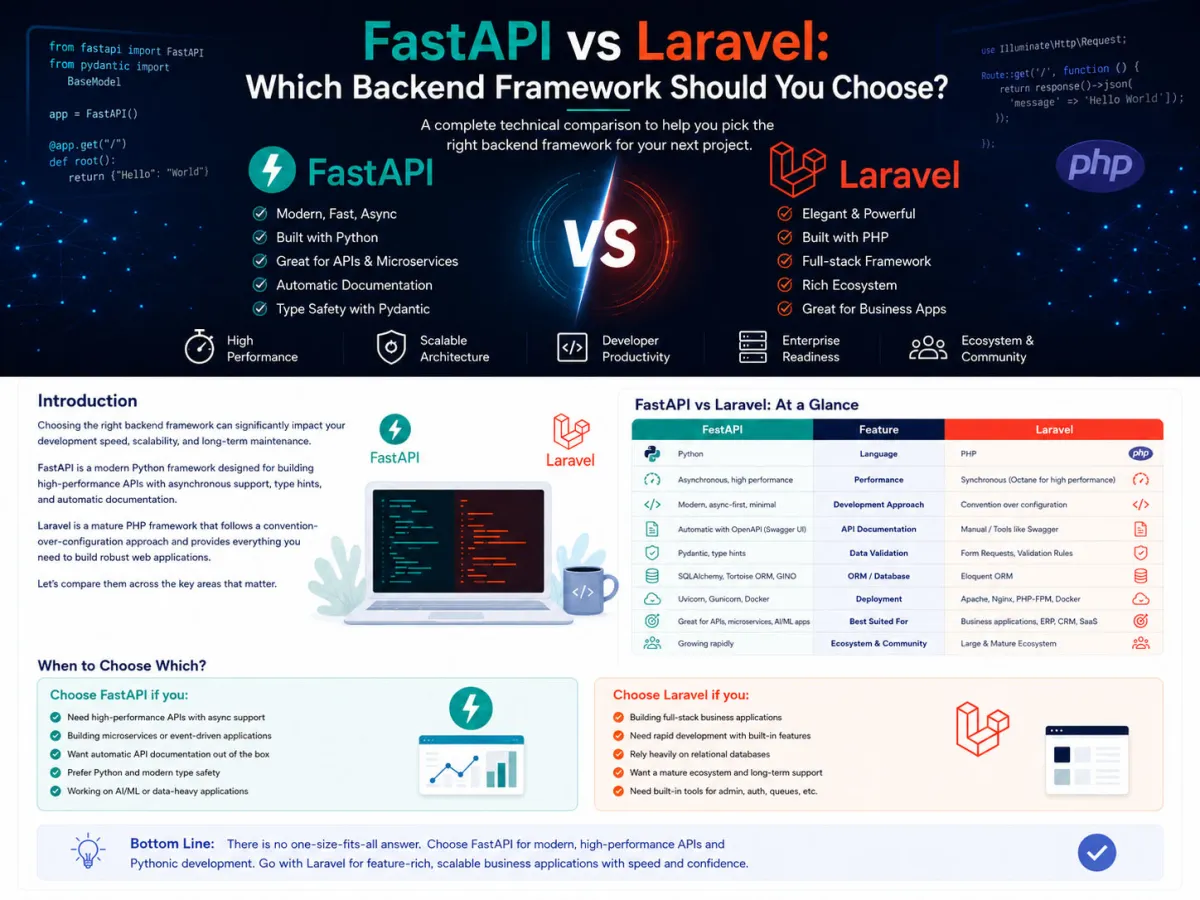
Compare FastAPI and Laravel across performance, async APIs, scalability, AI integration, d...
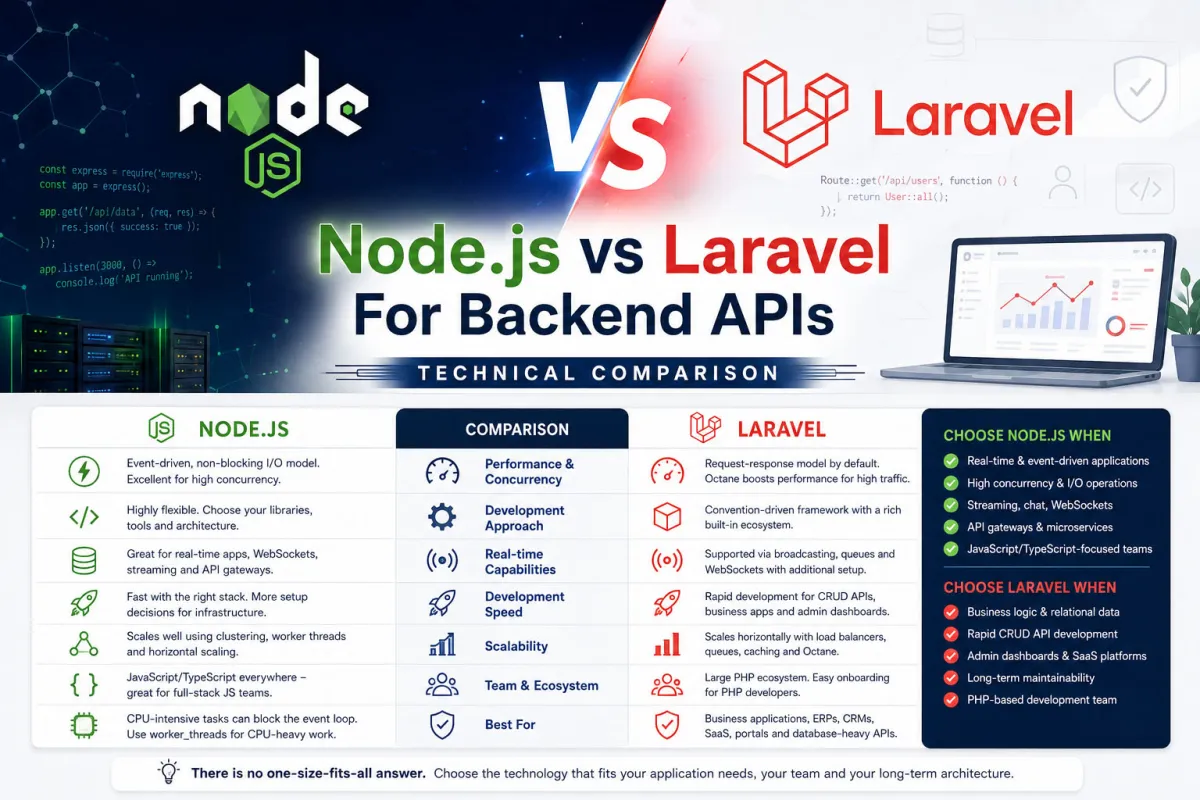
Node.js or Laravel for backend APIs? Compare performance, concurrency, scalability, develo...

See how we replaced spreadsheets, messages, and manual approvals with a centralized orderi...